
ABOUT
I know what it's like to feel confused about your career, frustrated with your life, and unclear on what to do next.

Maybe you recognize a few of these:
"How can I be exceptionally good at difficult things, and still struggle with emails, forms, and tasks that take five minutes?"
"People see my flashes of brilliance. They don't see the exhausting amount of effort, panic, recovery, and improvisation behind them."
"I've achieved enough to look successful, but not consistently enough to feel secure in my own competence."
"I don't want to waste my potential, but I'm starting to wonder whether a good life is less about maximizing my potential and more about finally learning how to live as myself."
I'm not going to tell you I know exactly what you're going through. I don't, not the specifics of your job, your history, or your life. But I know the general shape of it: the feeling of being misunderstood by people who don't struggle the way you do, the exhaustion of managing a career that never quite feels secure, and underneath it, if you let yourself sit with it, something closer to dread. The question of how you're supposed to keep doing this for the next twenty, thirty years.
I've felt that. It's part of why I do this work.
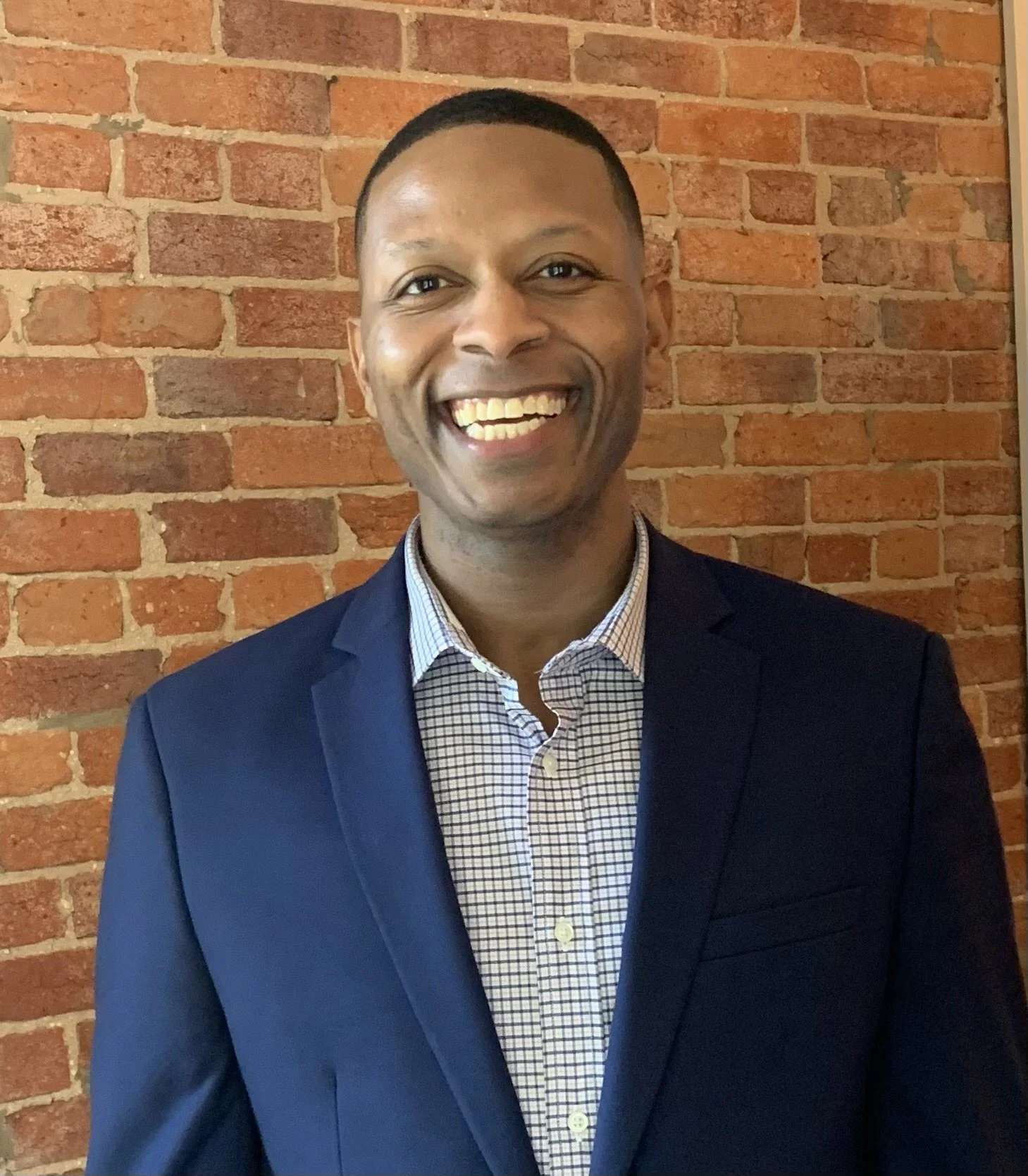
MY STORY
My own ADHD diagnosis reframed a lot of things I used to just think of as personal failures.
My first move was a very ADHD one: I figured if I learned what the coaches knew, I could fix myself. So I went through the training at the ADD Coach Academy, mostly to understand my own brain.
Somewhere in that process, I started coaching a few clients on the side, alongside my full-time job as a project manager. It became clear pretty quickly that this was the work I actually wanted to be doing.
From there, I started pulling together everything I'd learned up to that point, my SHRM credential, my PMP, my Master's in Human Resource Development, and asking how it could all apply specifically to ADHD coaching. That question is what led me to The Chesapeake Center for ADHD, Learning, and Behavioral Health, where I trained under Dr. Kathleen Nadeau and got to bring it all together, conducting career assessments that combined a battery of standardized tests, a review of each client's neuropsychological report, and a final written report tying it all to their career path. That's where "career coaching" and "ADHD coaching" stopped being two separate things for me.
Since then, I've focused specifically on that intersection. I built a four-session group, "Thick Skin Was Never the Answer," for men with ADHD navigating rejection sensitive dysphoria, because so many of my clients carry shame they've never had a name for. I run "Me or the Job" on YouTube because I have more to say about this than any one-on-one practice can hold. And most days, I'm still doing the one-on-one work that started all of it: sitting with someone while they ask the same question you might be asking right now.

How We’ll Work Together
I won't hand you a formula and a 30-day plan. In my experience, that's not usually where the real problem lives. Instead, we start with what's urgent (Tend), build from what's actually working in your favor (Mend), and move toward a career, and a way of working, that fits who you actually are (Transcend).
Most career advice assumes a version of "how work should go" that's either too narrow or too broad to actually fit an ADHD brain. Part of my job is helping you notice which of your own assumptions about work, success, or what's possible for you were built for someone else's brain, not yours.
That kind of noticing can feel uncomfortable, not because I'm pushing you, but because you're genuinely learning to think differently and practicing behaviors that don't come naturally yet. I try to create a space where that's safe to do: where you can say a thought out loud, and we can both look at it together, and you get to decide, based on where you actually want to go, whether that thought is still serving you.
CREDENTIALS /
-
Trained through the ADD Coach Academy, the ICF- and PAAC-accredited gold standard in ADHD coach training. My training was built on a strengths-based model rather than a medical one, and it went deep on the specific skills that help ADHD clients get unstuck: asking the right question at the right moment, working through resistance to change, and turning goals into follow-through instead of good intentions that stall out.
-
The PCC is the International Coach Federation's professional-level credential. Pursuing it keeps me accountable to a rigorous, ongoing standard for how I show up in a session, not just what I know.
-
This is where I learned how organizations, performance systems, and career paths actually work from the inside, which means I'm not guessing at what you're navigating at work. I understand the systems you're up against.
-
This is where career coaching and ADHD coaching stopped being two separate things for me. It's the foundation for how I think about the two together.
-
Helps me understand how you naturally take in information and make decisions, which shapes everything from how we structure our sessions to how we think about the kind of work environment that will actually work for you.
-
A battery of hands-on tasks (not a self-report questionnaire) that measures your natural abilities rather than your interests or personality. It's one of the more objective ways I can help you see what you're actually built to do well, which is often different from what you've been doing.
-
Career change can feel like an overwhelming, shapeless problem. This gives me a structured way to help you break it into a plan you can actually execute, one piece at a time.
-
A credential in human resources practice, which means I understand how hiring managers, HR departments, and workplace policies actually operate. That's useful when we're talking through things like disclosure, accommodations, or how to navigate a difficult manager.
-
Career and identity change is, at its core, change. This training gives me a research-backed model for how people actually move through change, which helps normalize why parts of this process feel hard.
-
A process-improvement framework that trained me to look for the actual root cause of a recurring problem instead of treating symptoms. Useful for the "why does this keep happening" patterns a lot of clients bring in.
Based in the Washington, DC Metro area.